Peeragogy and a New Culture of Learning (1)
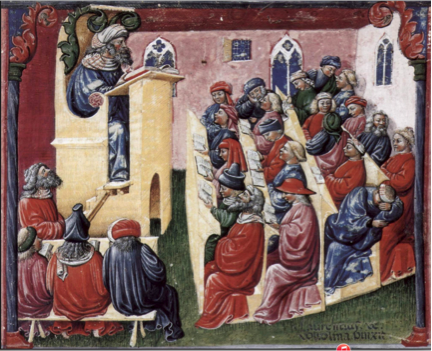
Source: http://www.tomaszhueckel.com/wp-content/uploads/2016/09/Doctors-in-Paris.png
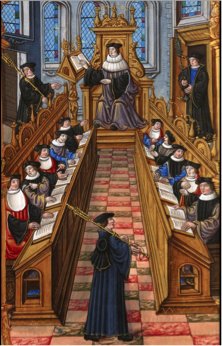
I don't remember where I first heard it, but during my first classroom sessions, I used to tell my students that if a soldier from a thousand years ago was transported to a modern battlefield, he would die quickly, and if a surgeon from a thousand years ago was transported to a modern operating theater, he wouldn't know what to do, but if a teacher and students from a thousand years ago (or more) were transported into this very classroom, everyone would know who and where to sit or stand, speak or remain silent. For a very long time, schools have had a monopoly on learning -- you had to apprentice yourself to learn a craft, attend a university to study, and in the age of institutionalized education, you have to spend at least a decade of your youth sitting in chairs arranged in rows, mostly staying silent, then moving to another room when a loud bell rings.
One slow explosion that the growth of the Internet ignited is blowing up that monopoly. Ask a 14 year old today how to learn to play a ukulele, configure a web server, cook a souffle, chances are that she or he will tell you to search YouTube, where you will probably find another 14 year old explaining what you need to know. Think of the potential of tools that are freely available to billions today: search engines, Wikipedia, YouTube, forums, chat rooms, collaborative documents, social bookmarking and annotation services, mindmapping and concept-mapping apps, blogs, Twitter. The explosion is a slow-motion one because institutions of education have not had any incentive to show learners how to learn on their own. While social learning is an essential trait of Homo sapiens, schooling deflates the natural enthusiasm of learners by severely limiting their agency -- recess and show-and-tell are the only times when elementary school students have any say over the curriculum. A certain amount of learned helplessness about learning is drummed into young minds through a privileging of knowing answers over learning how to explore questions.
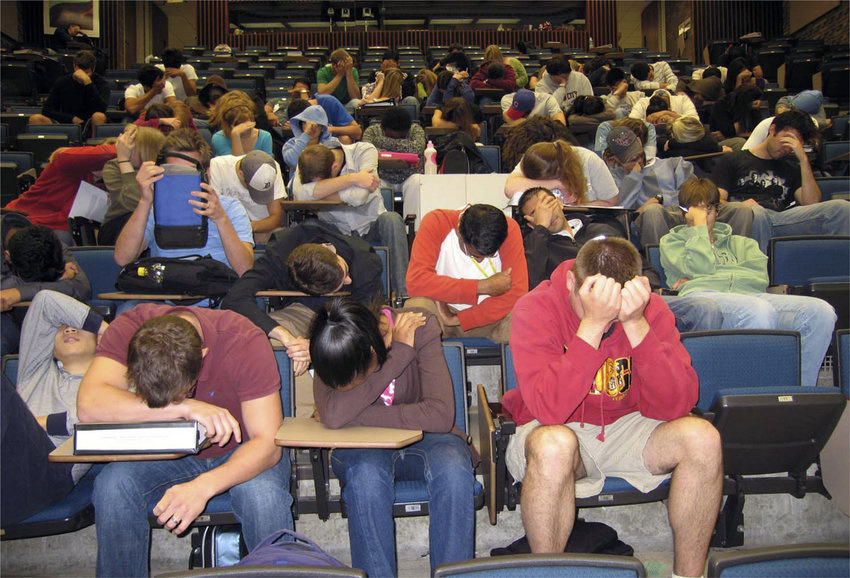
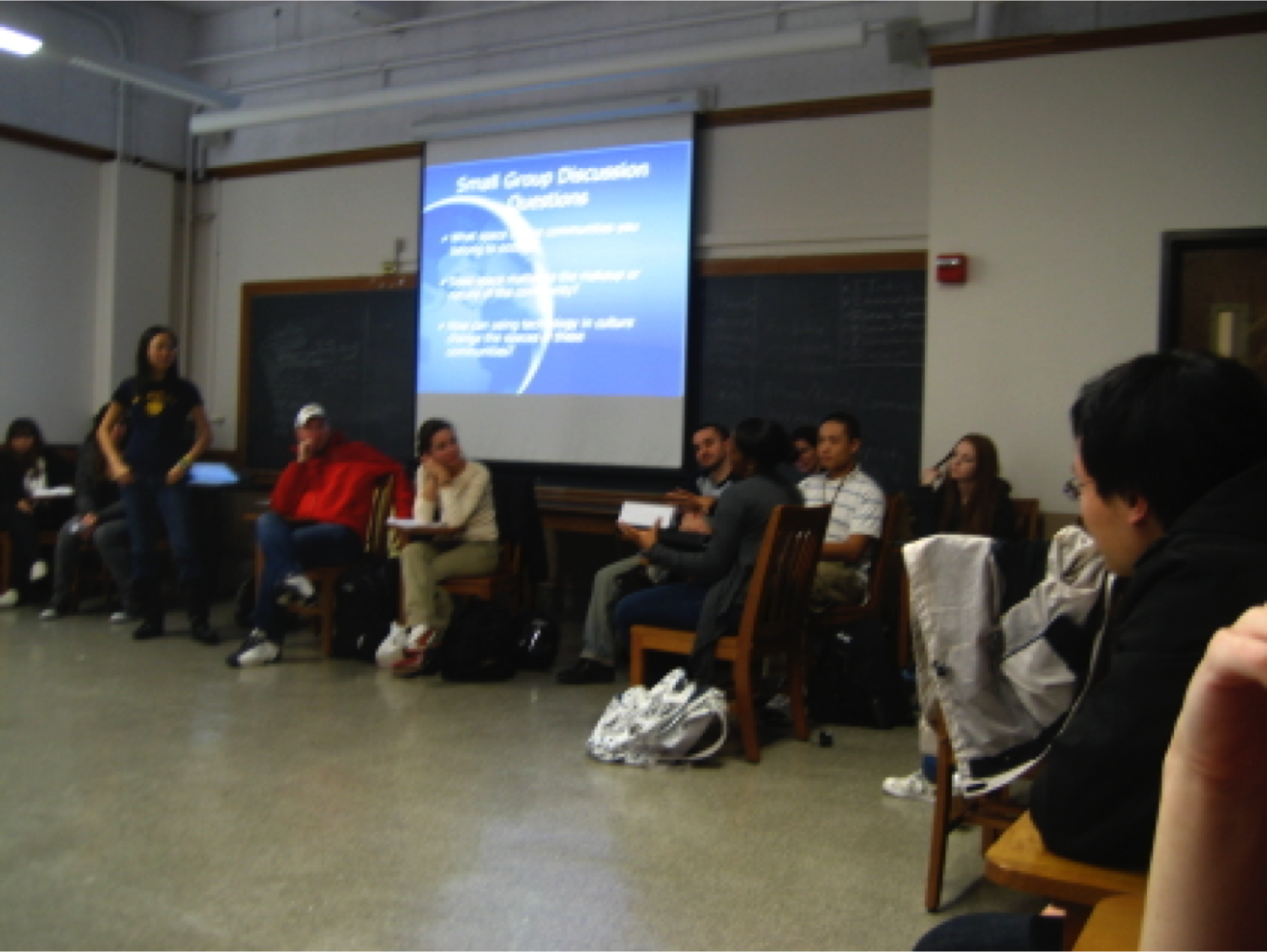
I was disciplined, then given a battery of tests in the first grade when I refused to sit in a chair all day, keeping my mouth shut. So I've been thinking about this for a long time. I started thinking about teacherless peer learning when I found myself standing in front of Berkeley and Stanford students who expected me to teach. But I was teaching about and with social media, which requires significantly more student participation via forums, blogs, and other peer-to-peer discourse than the normal lecture and test format students had come to expect. I was gripped with fear at first: I was confident about my expertise in the subject matter, but I had no training as a teacher, and when confronted with students imprisoned in desks in rows facing me, their desire for me to give them what they had been trained not to pursue was ennervating. So I let them know that I wasn't sure about what I was doing pedagogically and told them I would try a lot of things and would rely on them to tell me what they thought was working and why. The first year, I asked two students to tell us all about what they learned from one of the recommended but not required readings; at the end of the term, we all agreed that 5 minute book reports weren't really adding much agency. So the next year I started asking students to co-teach with me. We also moved the chairs into a circle.
"Education is the igniting of a fire, not the filling of a pail," a saying with dubious attribution to Yeats, is certainly true, no matter who said it. When teams of students met with me to help teach the part of the curriculum that was most meaningful to them, and we started talking in a circle, we all agreed that something was ignited. I spent the next ten years giving some of my teacher power to students and asking them, in return, to take more responsibility for their learning.
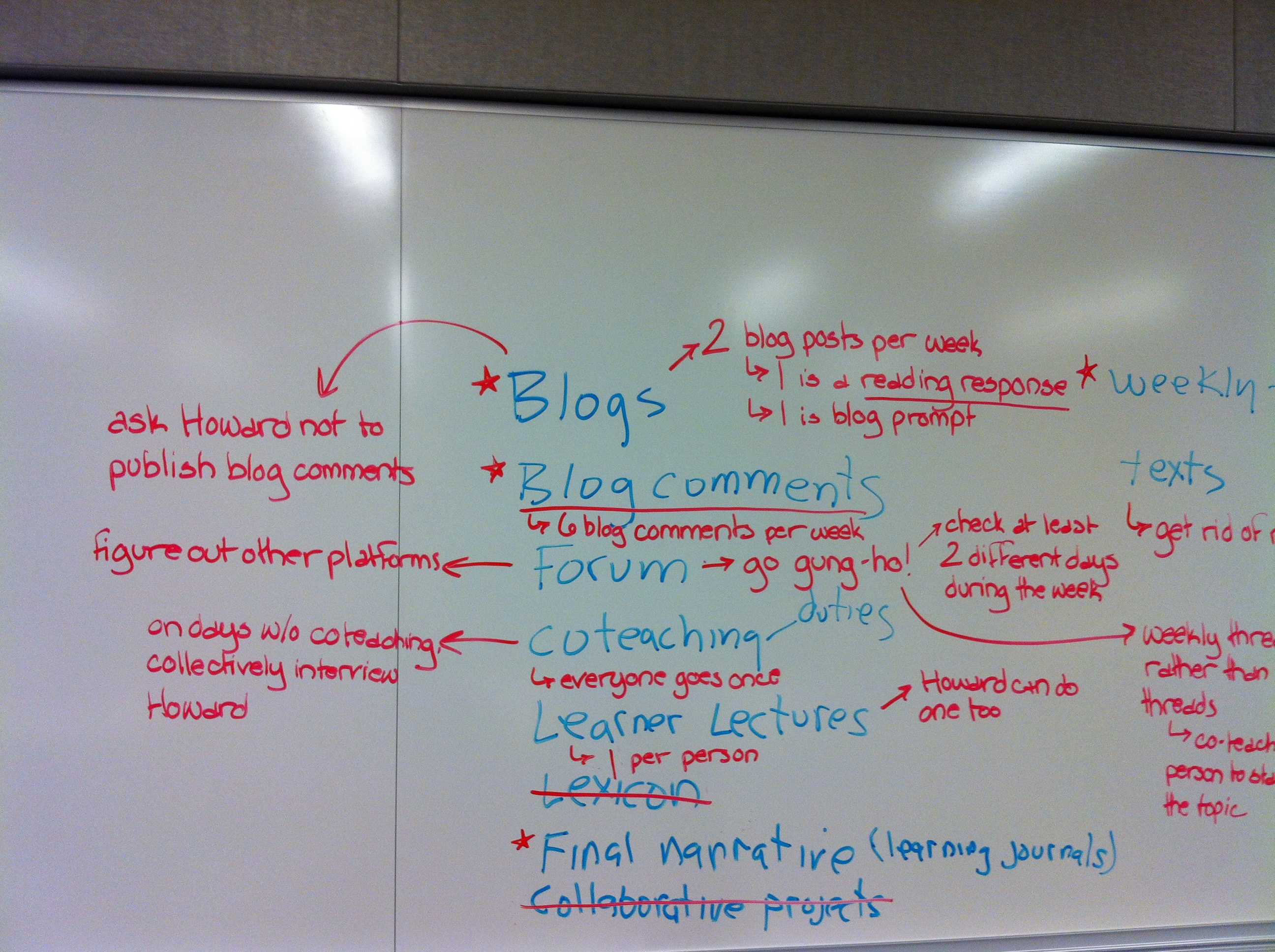
When I taught my last class at Stanford, I did something that I wish I had the confidence to do years earlier: midway through the term, I wrote on the whiteboard in blue all the learning activities that were required of the students. I also wrote my phone number on the board. I told them to revise the list of learning activities in red to their satisfaction. They could call or text me with questions while I walked around campus and left them to decide about their learning on their own. Then they were asked to text me when they were finished. The class was three hours long, so they would have plenty of time. It took them about an hour. This is what the whiteboard looked like: